
How to Fix a Loose or Squeaky Stair Railing
A loose or squeaky stair railing is usually fixable. Here's what causes it, a few DIY tightening steps, and when it's time to call a pro.
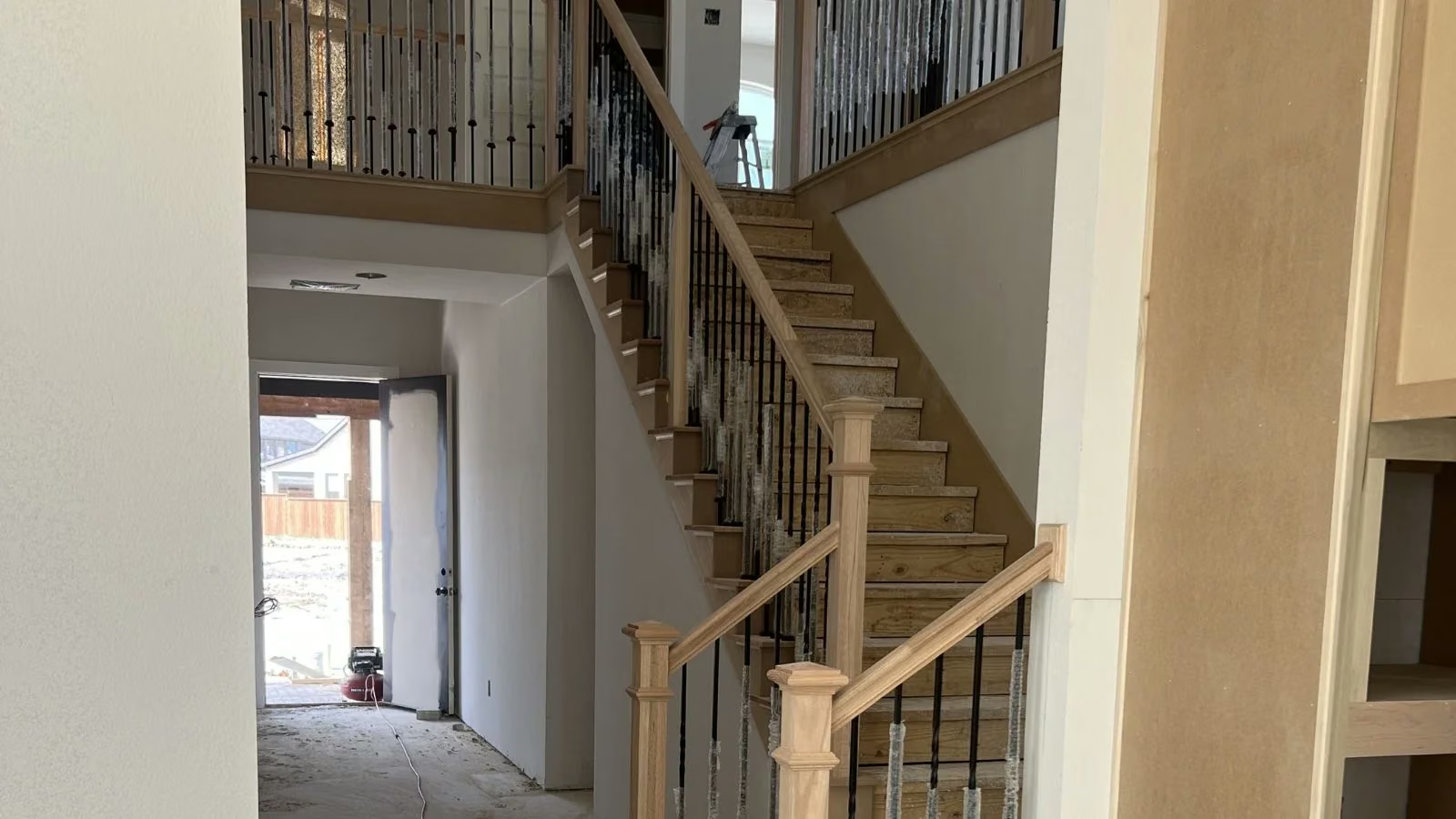
Quick Answer: To tighten a loose or squeaky stair railing, first identify how it’s anchored — wall bracket, newel post, or wall plate — then remove and replace stripped screws, add wood glue at the newel post base, or re-anchor the railing into a wall stud with a longer lag bolt. Most fixes take under an hour and cost far less than a full replacement. If the wobble returns after tightening, or the railing falls outside Texas code height and spacing requirements, a Dallas-Fort Worth stair professional like FJR Stair & Door should inspect it.
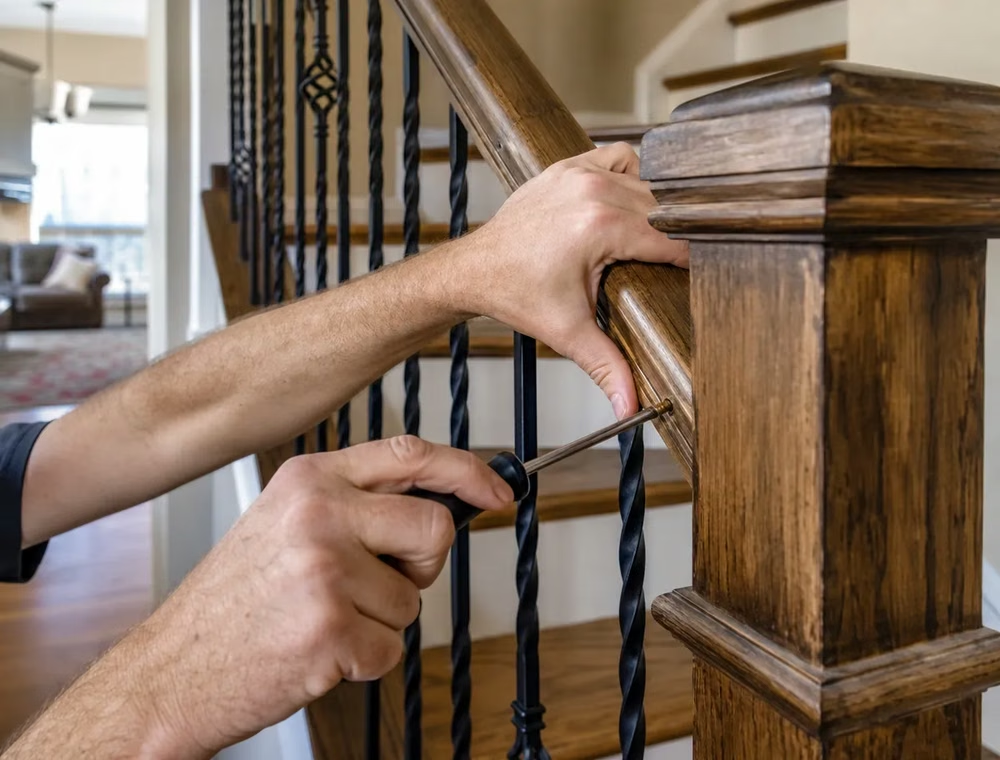
Loose or squeaky stair railings in Dallas-Fort Worth homes usually stem from worn screws, cracked balusters, or shifting wall anchors after years of everyday foot traffic. Tightening hardware or swapping a single baluster is typically a low-cost repair compared to replacing an entire railing run. FJR Stair & Door inspects railings against Texas building code, which requires a handrail height of 34 to 38 inches and baluster gaps no wider than 4 inches, before recommending a repair or replacement plan.
What Are the Most Important Facts About Loose Stair Railings?
- Loose stair railings and squeaky steps pose serious safety risks to homeowners, family members, and pets.
- Continuous foot traffic over years causes common stair problems including sloping boards, loose treads, and faulty handrails.
- FJR Stair & Door specializes in stair repair using multiple techniques that address both structural weaknesses and aesthetic improvements.
- Professional stair repair services restore damaged, noisy, unstable staircases with durable woodwork and clean craftsmanship standards.
What Causes a Loose or Squeaky Stair Railing?
Decades of foot traffic wear down fasteners, brackets, and wood fibers inside a staircase, and that wear is the root cause of most wobbly railings across Dallas-Fort Worth homes. Older properties throughout Plano, Frisco, and Arlington show this pattern often. Sloping treads, loose boards, and faulty handrails tend to develop gradually rather than overnight. Left unaddressed, that gradual wear becomes a real safety hazard for households climbing the same stairs every day.
Why Do Handrail Configurations Matter for Repairs?
Not every railing attaches to a staircase the same way, and the mounting style determines the fix. Some are anchored to the wall with brackets, others rely on a newel post, and some screw directly into a wall plate. Many Dallas-Fort Worth staircases combine two or three of these methods. Identifying the exact configuration before attempting how to tighten stair railing work prevents wasted effort and mismatched hardware. For a deeper look at when a quick fix is enough versus when full replacement makes more sense, see our stair railing repair vs. replacement guide.
A wobbly railing rarely stays a minor annoyance for long. Loose or jiggly handrails deserve immediate attention. Delaying the fix only raises the odds of a fall on the stairs. Squeaky steps, loose boards, and weak railings combine to make a Dallas-Fort Worth home feel unstable and uncomfortable for the entire household. The good news: many of these issues, from loose screws to a single damaged baluster, are inexpensive repairs rather than full replacements.
How Do You Tighten a Loose Stair Railing?
Fixing a wobbly stair railing starts with identifying how the railing anchors to the structure. Dallas-Fort Worth homes span decades of construction styles, and anchor types vary from staircase to staircase. The correct method for tightening a stair railing depends entirely on that setup. A railing fixed to the wall with brackets requires different hardware than one secured through a newel post or fastened into a wall plate. Many older DFW staircases combine all three anchor types along a single run, which is why homeowners should confirm the anchor style before attempting any fix.
Once the anchor type is identified, four fixes solve most loose or squeaky railings:
- Tighten Loose Hardware: Remove stripped screws or bolts at the handrail, balusters, and newel post, then reinsert properly sized fasteners, or add wood filler for extra grip.
- When to call a pro: screws keep stripping out or the holes are enlarged beyond what filler can repair.
- Add Wood Glue to the Newel Post Base: Inject construction-grade wood glue into the joint where the newel post meets the stair tread or floor, then clamp it until fully cured.
- When to call a pro: the newel post itself is cracked, split, or rocking at the base.
- Re-Anchor the Railing to a Wall Stud: Locate the wall stud with a stud finder and drive a 3-inch lag bolt through the bracket into solid framing rather than drywall alone.
- When to call a pro: no stud lines up with the existing bracket location or the wall cavity is unclear.
- Replace Damaged Balusters: Remove a cracked, split, or missing baluster and install a matching replacement secured top and bottom.
- When to call a pro: more than one or two balusters need replacing, or the spacing no longer meets code.
After completing any of these fixes, apply downward and side-to-side pressure on the railing to confirm the connection now holds firm.
Is a Wobbly Railing Always a DIY Job?
Not always. A single damaged baluster or a few loose screws typically gets fixed without replacing the entire railing. Once movement extends beyond isolated screws, though, structural reinforcement becomes necessary to restore the connection properly.
When Should a Homeowner Call a Professional?
Persistent wobble after tightening signals a deeper structural issue. Skilled technicians address both the structural weakness and the finished appearance, ensuring the repair holds and matches the staircase’s original craftsmanship. FJR Stair & Door serves homeowners throughout the Dallas-Fort Worth metroplex with this level of precision repair work — see our guide on choosing the right stair railing contractor in DFW for what to look for.
Not sure if your railing needs a quick fix or a full repair? FJR Stair & Door offers a free in-home consultation for Dallas-Fort Worth homeowners — we’ll inspect your railing, check it against Texas code, and give you an honest recommendation before any work begins.
When Should You Call a DFW Stair Pro?
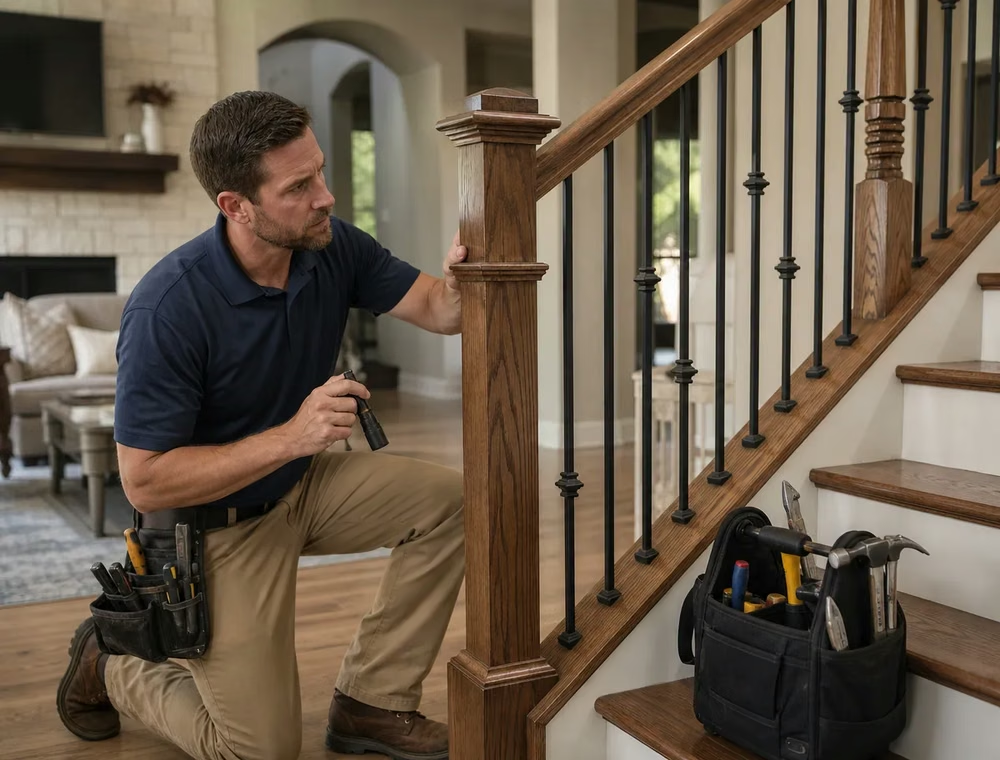
Certain warning signs mean learning how to tighten stair railing hardware alone won’t fix the problem. Once a railing falls outside current Texas and international building code handrail requirements — 34 to 38 inches in height, with baluster gaps no wider than 4 inches — replacement, not repair, becomes the safer investment for Dallas-Fort Worth homes. Structural code mismatches can’t be solved with a screwdriver.
5 signs the fix is beyond DIY:
- Railing height or baluster spacing falls outside code
- Cracks, rot, or rust show up in structural parts
- Wobbling returns even after hardware gets tightened
- Multiple balusters are cracked, split, or missing along one run
- The newel post itself shifts or rocks at its base, not just the handrail
How does a professional stair repair differ from a DIY fix?
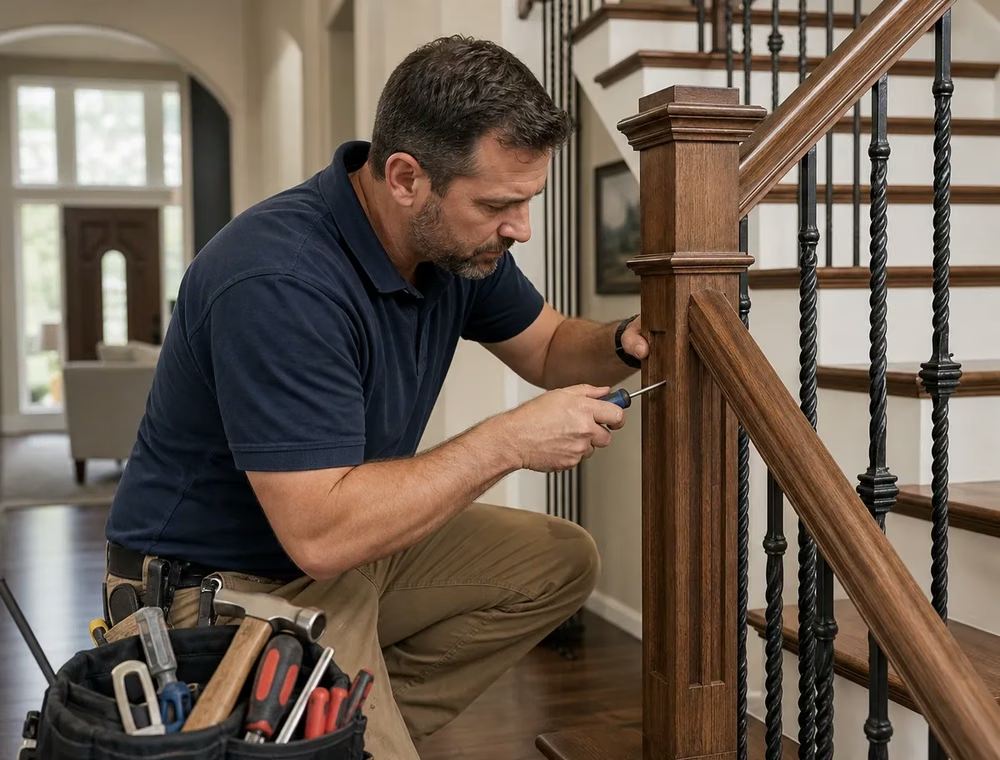
A qualified local stair contractor restores a wobbly, damaged staircase to safe, solid, attractive condition once tightening screws and bolts stops holding. FJR Stair & Door brings over 30 years of combined craftsmanship serving Dallas-Fort Worth homeowners, with deep knowledge of regional codes, styles, and design trends, across custom stair design and installation services. Rebuilds rely on premium materials, from solid wood to durable steel framing, built to last and look sharp for years.
TL;DR — Stair Railing Tightening at a Glance
- Most wobbly stair railings in DFW are caused by worn screws, cracked balusters, or shifting wall anchors.
- The 4 most common fixes: tighten hardware, glue the newel post base, re-anchor to a wall stud, and replace damaged balusters.
- Texas code requires a 34–38 inch handrail height and baluster gaps no wider than 4 inches.
- If wobble returns after tightening, or the damage is structural, the repair moves from DIY to professional territory.
- Book a free in-home stair consultation with FJR Stair & Door to find out whether your railing needs a quick fix or a full repair.
Get a Free In-Home Stair Consultation
A loose or squeaky stair railing compromises both safety and peace of mind in your home. By addressing these issues promptly through tightening hardware, inspecting fasteners, and reinforcing anchor points, you restore the structural integrity your family deserves. When DIY solutions fall short, professional craftsmanship ensures lasting results.
FJR Stair & Door brings decades of expertise to every repair, delivering the quality and reliability that transform a nagging problem into a secure, silent staircase you’ll trust for years to come. Request a free in-home consultation and we’ll tell you honestly whether your railing needs a quick fix or a full repair.
About FJR Stair & Door
FJR Stair & Door brings over 30 years of combined craftsmanship to stair and railing repair, remodeling, and custom builds across the Dallas-Fort Worth metroplex, including Plano, Frisco, and Arlington. From quick hardware fixes to full staircase rebuilds, the team combines code-compliant safety with lasting craftsmanship.
Frequently Asked Questions
What causes a loose or squeaky stair railing in DFW homes?+
Decades of foot traffic wear down fasteners, brackets, and wood fibers, causing worn screws, cracked balusters, and shifting wall anchors. This wear develops gradually in older homes throughout Plano, Frisco, and Arlington.
How much does it cost to tighten a stair railing?+
Tightening loose hardware or replacing a single baluster is typically an affordable, low-cost repair, while full railing replacement costs more depending on materials and length. FJR Stair & Door offers a free in-home consultation to provide an accurate, no-obligation estimate before any work begins.
How do you fix a wobbly stair railing?+
Tighten loosened screws or bolts at the newel posts and balusters, replace stripped hardware, add wood glue at the newel post base, or re-anchor the railing to a wall stud. For persistent squeaks or structural weakness, hire a professional stair repair technician.
How do I know if my stair railing meets Texas code?+
Texas building code requires a handrail height of 34 to 38 inches and baluster gaps no wider than 4 inches. These figures align with ADA accessibility guidelines for stairways and handrails. If a railing falls outside either measurement, replacement rather than repair is usually the safer, code-compliant fix.
When should I call a professional instead of doing it myself?+
Call a professional if railing height or baluster spacing falls outside code, structural parts show cracks, rot, or rust, wobbling returns after tightening, multiple balusters need replacing, or the newel post itself shifts at its base.
Related content
More resources for DFW homeowners
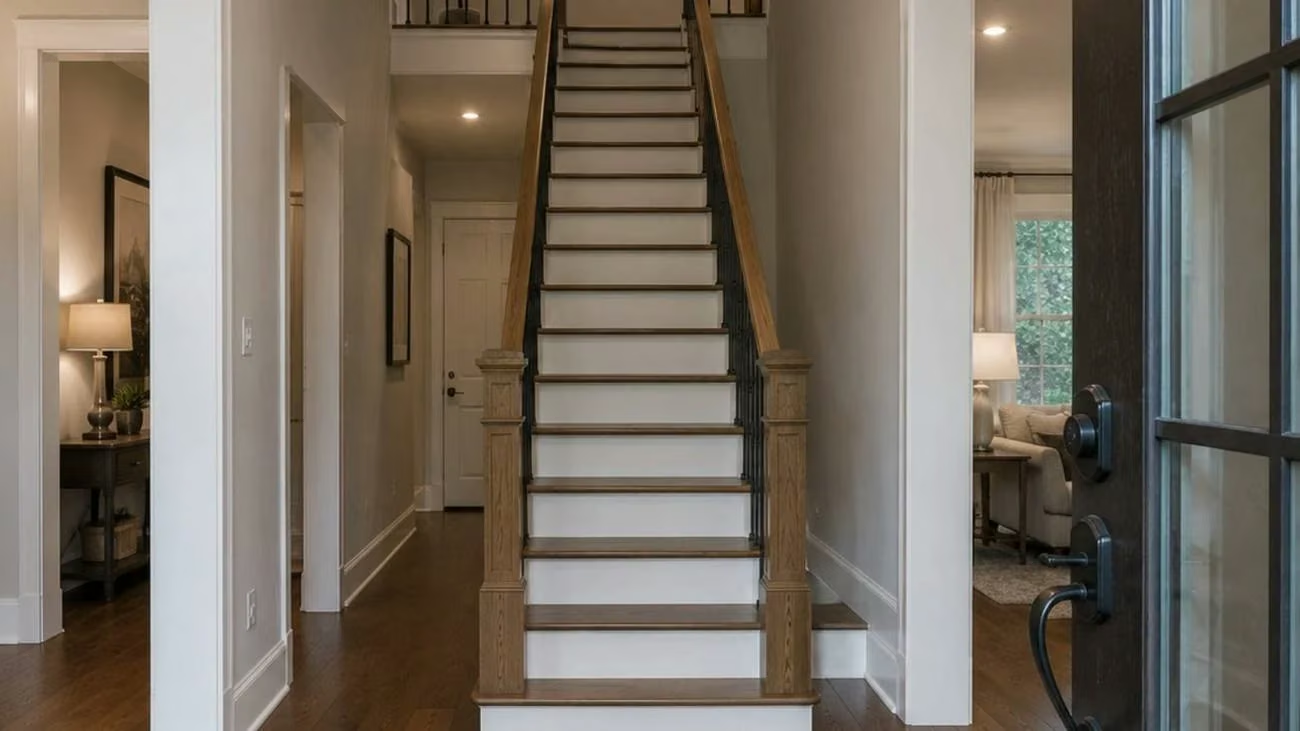 ServiceStair Design & Installation Services
 Service AreaStairs & Doors in Fort Worth, TX
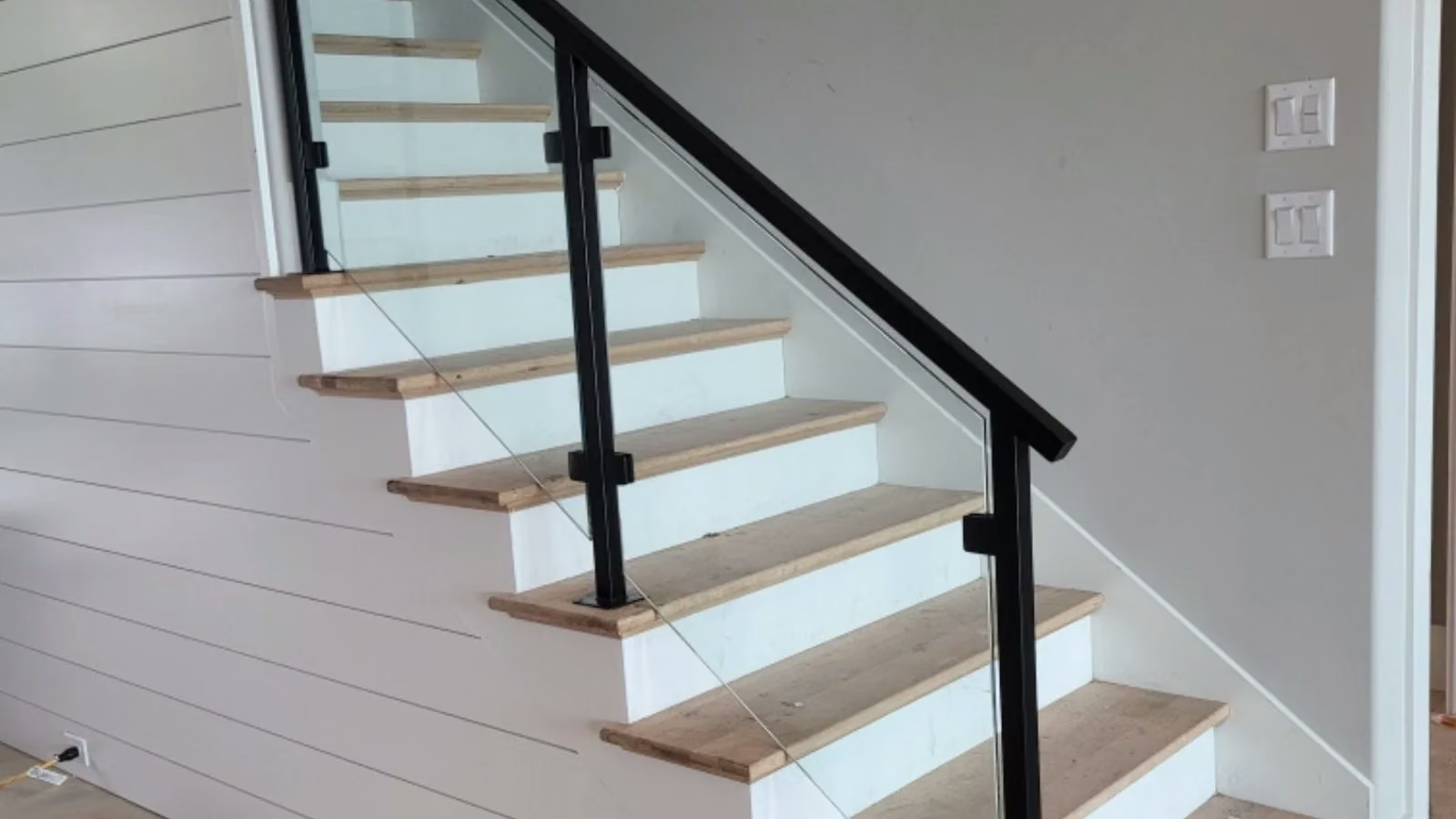 GuideStair Railing Repair vs. Replace Guide
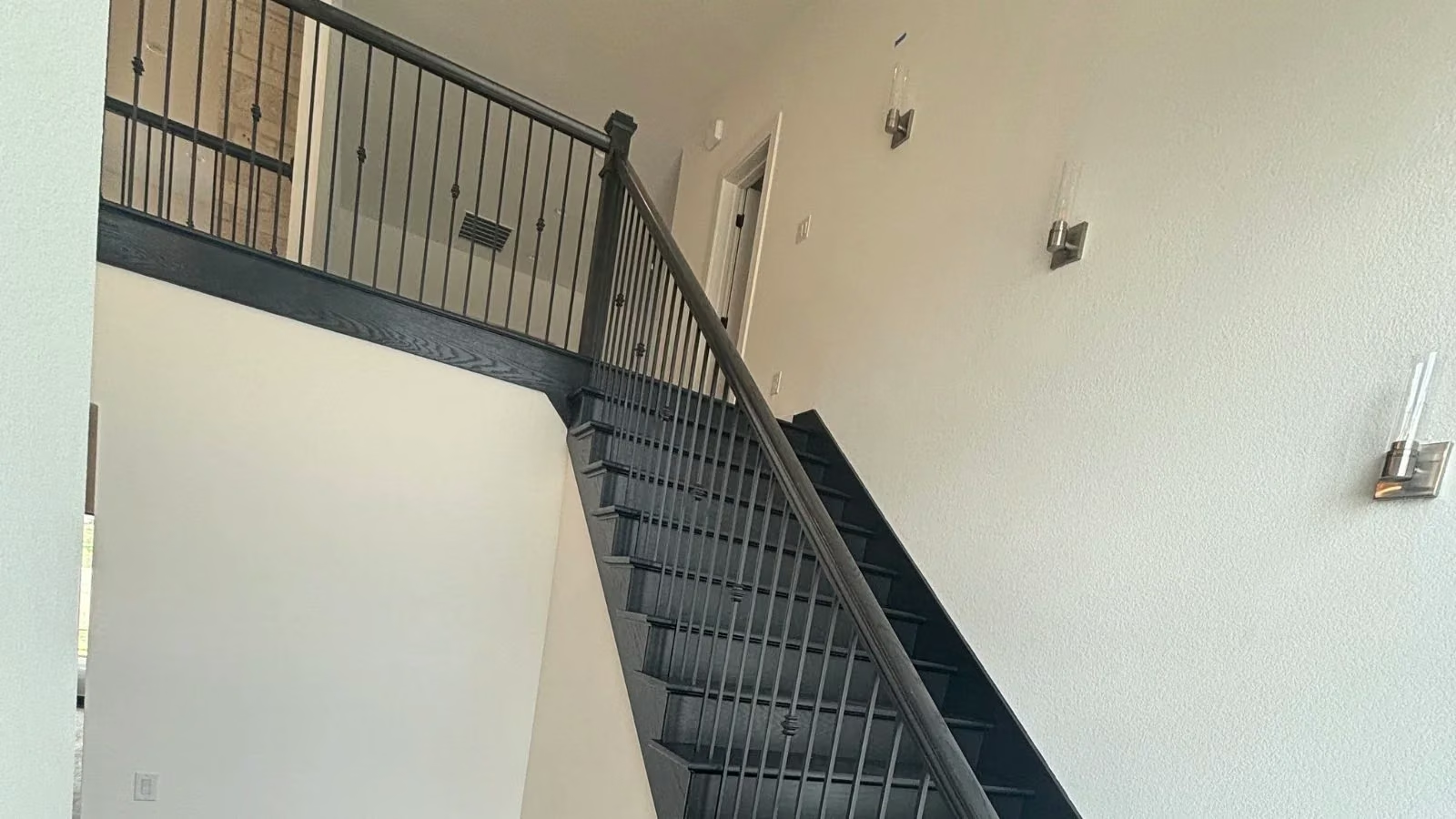 RailingsFinding the Best Stair Railing Installers: A Homeowner’s Guide
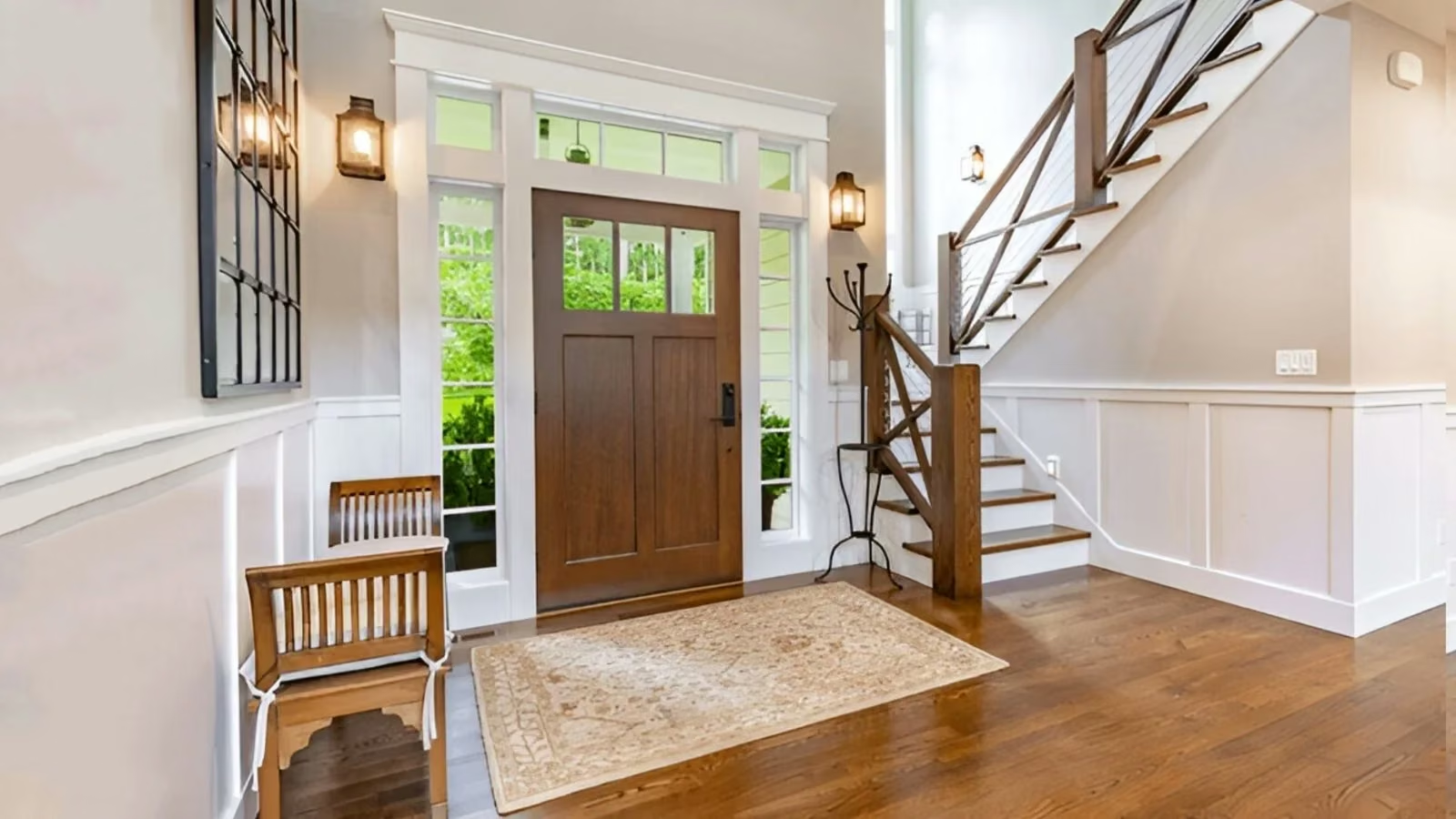 GuideHow to Choose a Stair Railing & Entryway Contractor in DFW
 RemodelingStair Remodeling, Railings & Entryway Upgrades in DFW
 GuideComplete Guide to Staircase Remodeling: Design, Cost & Materials
Book a Stair Repair
Free in-home estimate. Veteran-owned. Serving all of Dallas–Fort Worth.