
How Much Does a Staircase Cost in 2026?
Staircase cost in 2026 ranges from $5,000 for a simple spiral to $60,000+ for a custom floating stair. Here's the full breakdown by type, plus the labor-vs-materials split.
Last updated: 2026Staircase Cost by Type (2026)
Staircase cost in 2026 ranges from about $5,000 for a simple spiral to $60,000+ for a custom floating staircase. That spread is entirely about the type of stair, the materials and whether structural engineering is involved. This guide breaks the cost down by staircase type, explains the labor-versus-materials split, and shows you where your project is likely to land before you ever call for a quote.
These are real DFW ranges from projects we design, fabricate and install in-house — a written, exact figure follows a free in-home consultation.
| Staircase type | Typical cost | Notes |
|---|---|---|
| New custom staircase | $8,000–$35,000+ | design & materials drive range |
| Floating staircase | $15,000–$60,000+ | engineered, concealed steel |
| Spiral staircase | $5,000–$20,000 | metal or wood, by diameter |
| Full remodel (existing) | $6,000–$25,000 | rework rather than new build |
Breaking down the numbers
A new custom staircase at $8,000–$35,000+ covers the majority of traditional and transitional builds; where you land depends mostly on wood species, railing choice and whether the design is a straight flight or something curved. A floating staircase starts where a mid-range traditional stair tops out — $15,000–$60,000+ — because the concealed steel stringer has to be engineered, fabricated and precisely installed. A spiral staircase is the most space- and budget-efficient at $5,000–$20,000, priced largely by diameter and by metal-versus-wood construction. Finally, a full remodel of an existing stair ($6,000–$25,000) reworks what you have rather than building new — often the smartest spend when the underlying structure is sound.
The labor vs. materials split
On most custom staircases the cost is roughly half labor, half materials. That balance shifts as complexity rises: an engineered floating staircase carries proportionally more labor and structural cost, while a straightforward material upgrade (say, refinishing plus an iron rail) is more materials-weighted. Understanding the split helps explain why two stairs of similar size can be priced very differently.
What Drives the Cost
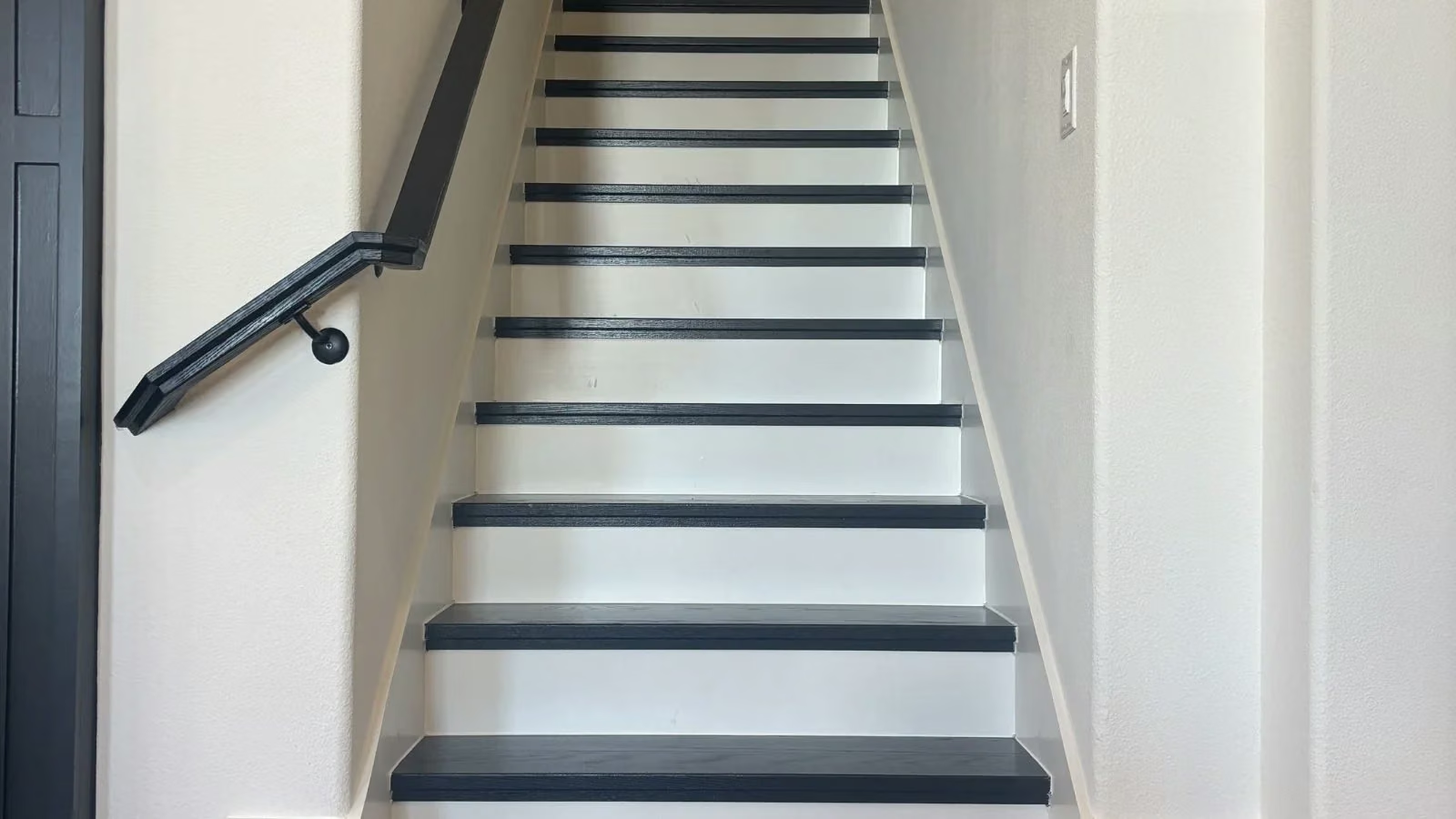 Staircase type and complexity
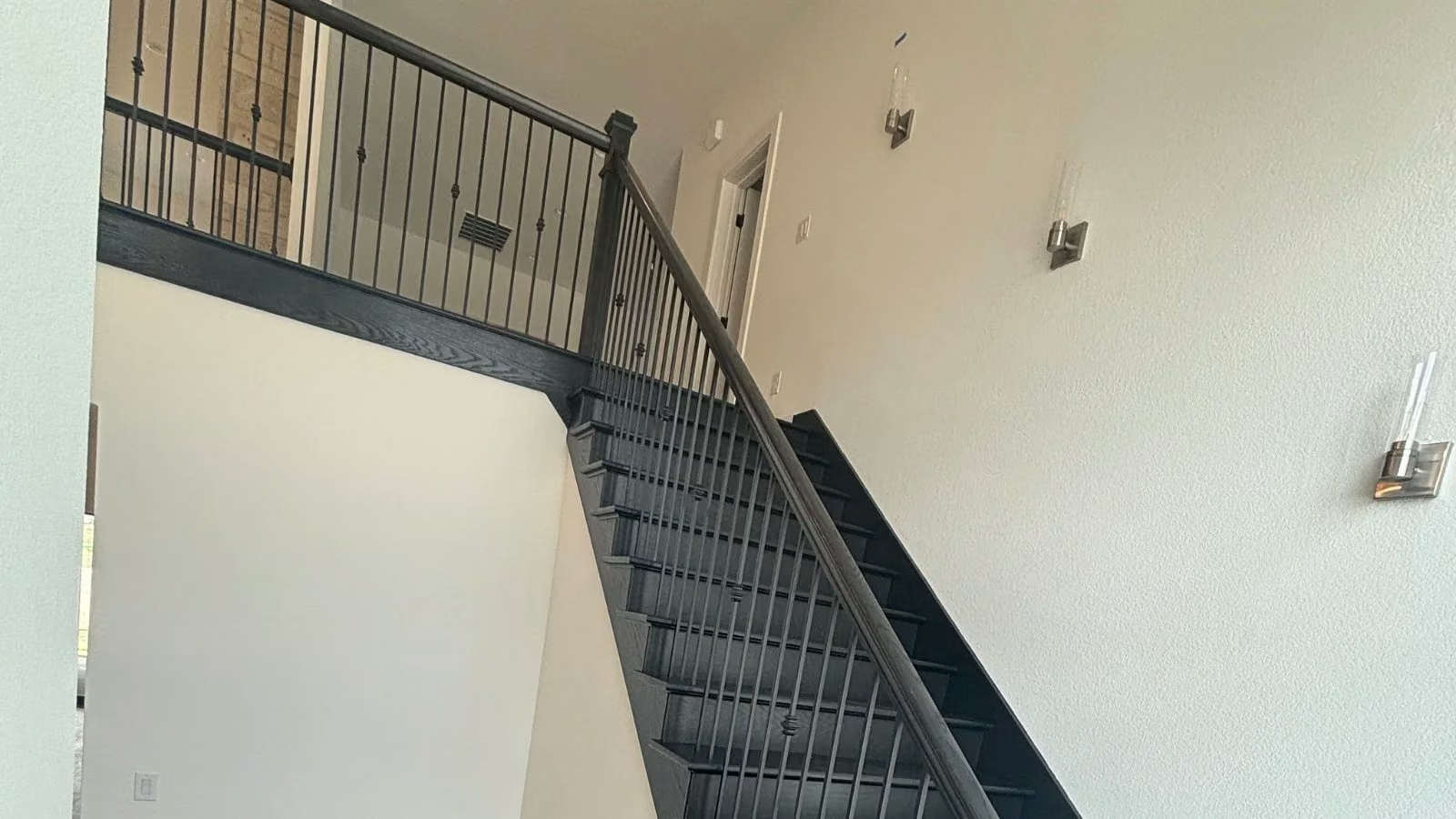 Material (wood, metal, glass, mixed)
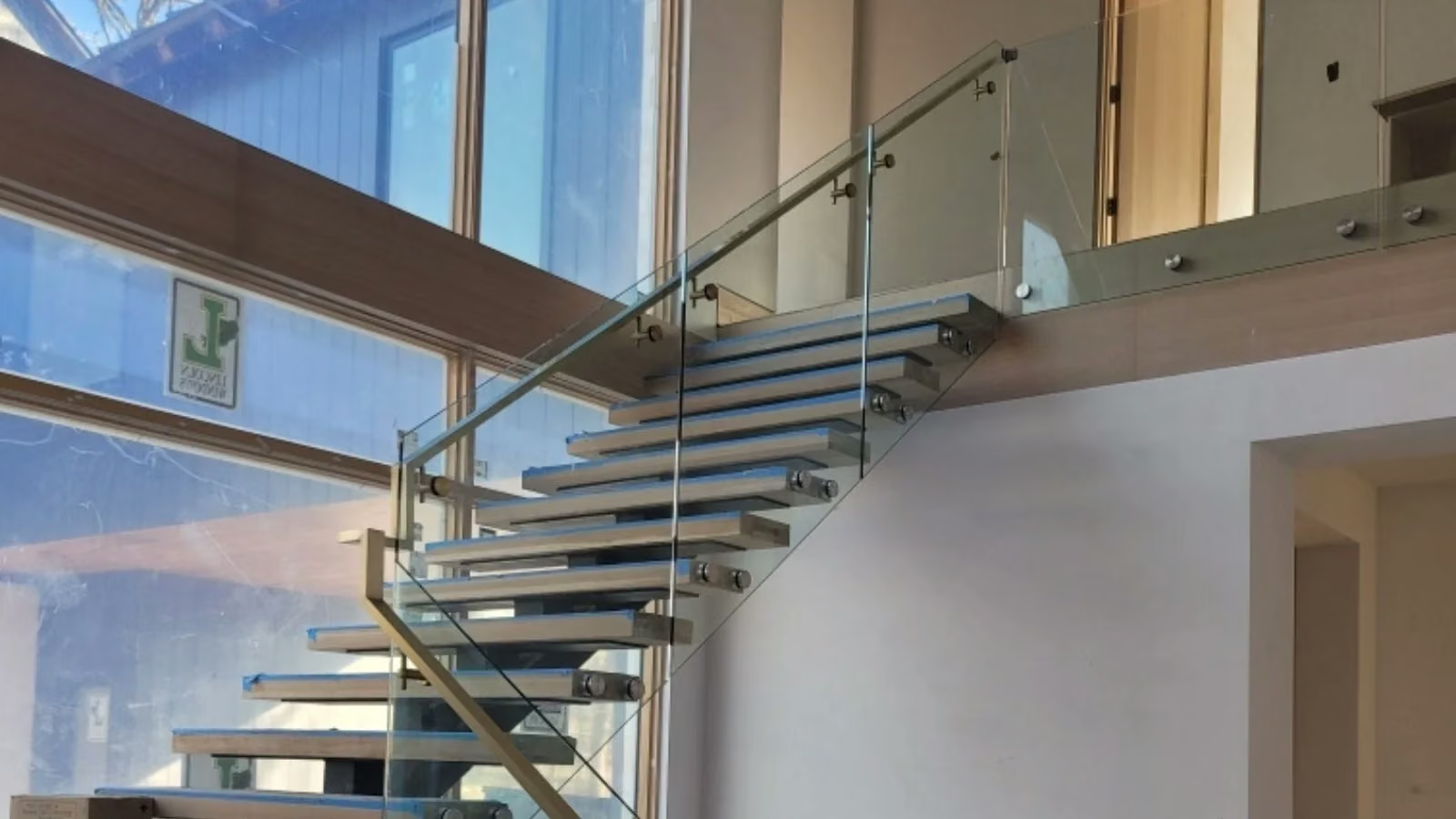
 Structural engineering (floating)
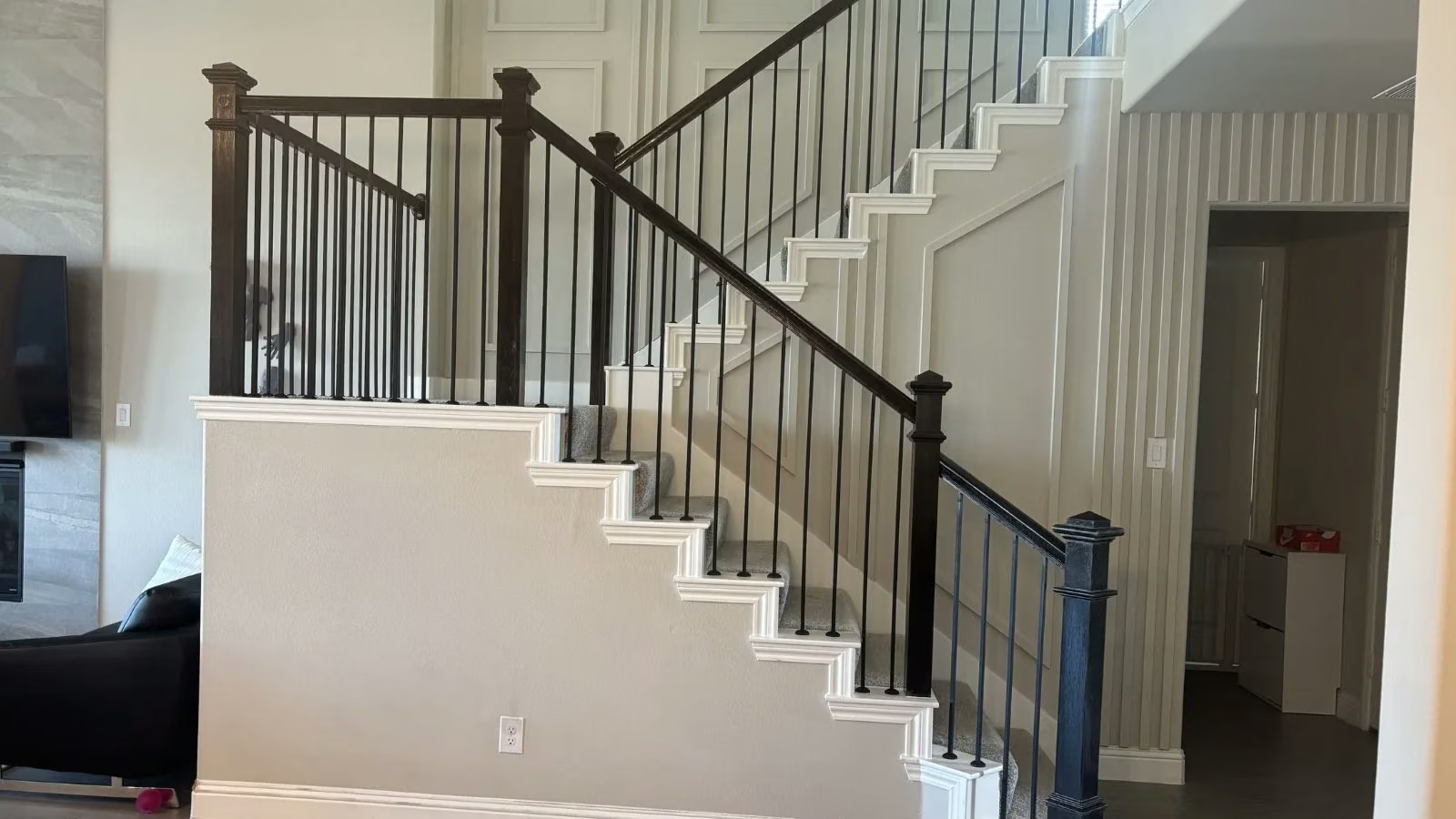
 Railing selection
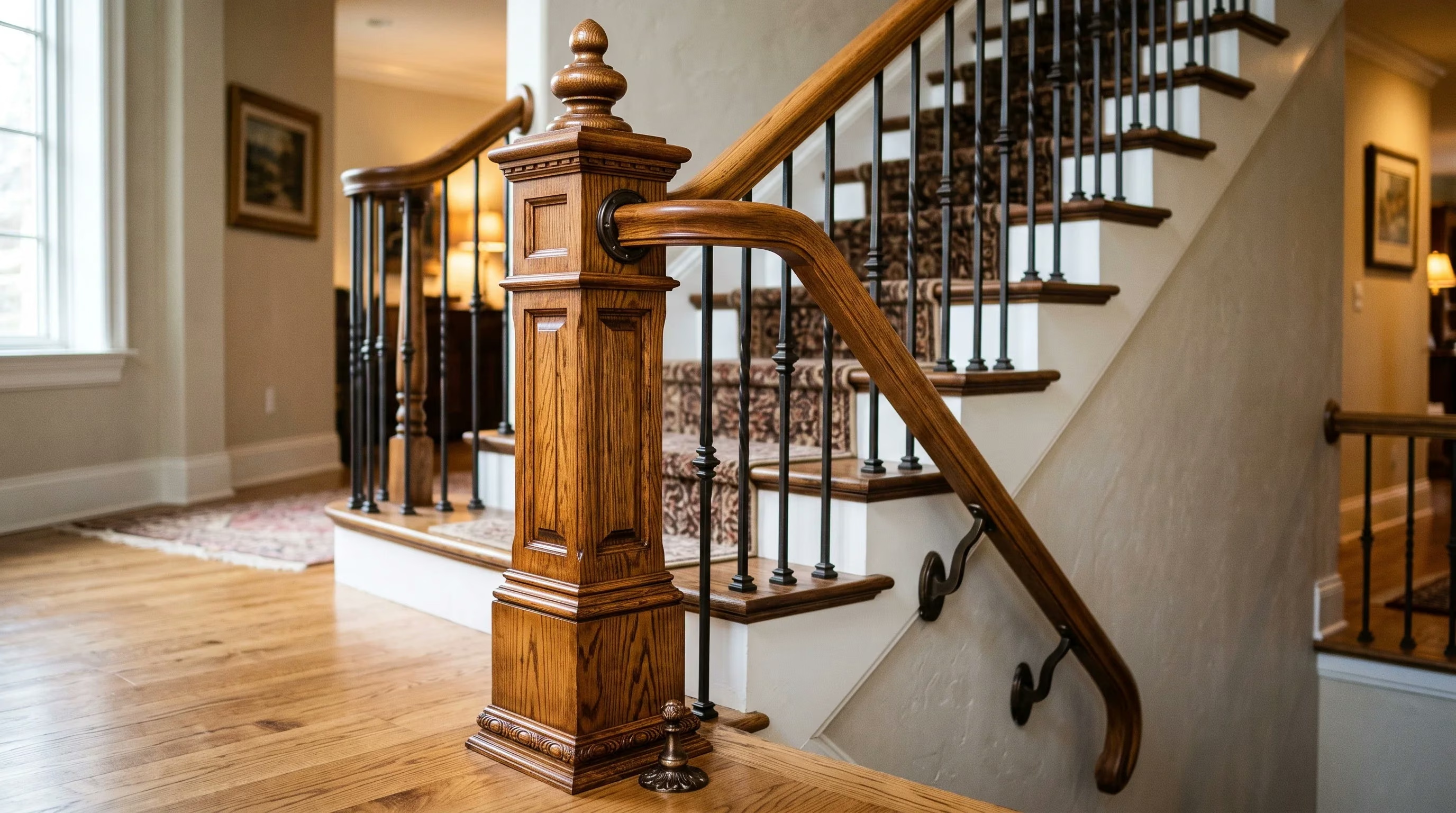 Site access and install difficulty
How to budget
If you want a statement look without the floating-stair budget, a custom traditional staircase with an upgraded iron or glass railing delivers most of the impact for less. If space is the constraint, a spiral is the efficient answer. For deeper detail on the two premium options, see our floating stairs cost guide.
The FJR difference
Because we run one in-house shop for design, fabrication and installation, the price we quote is the price one accountable team delivers — backed by a 1-year workmanship warranty. Explore custom stairs and floating stairs, or see custom stairs in Frisco.
How to lower your staircase cost
There are a few reliable ways to bring a staircase project down without making it look “value-engineered.” First, reuse what’s sound: if the stringers and framing are solid, refinishing treads and swapping only the balusters costs a fraction of a full rebuild. Second, choose your material strategically — a wood cap rail with iron balusters reads high-end at a mid-range price, while all-glass sits at the top. Third, keep the geometry simple; a straight flight is far less labor than a curved or floating design. Finally, bundle related work — stairs, railing and trim — into a single visit rather than paying mobilization for separate projects. We’ll walk through these trade-offs with you at the free estimate so the budget lands where you want it.
New build vs. remodel: which spend is smarter
If you’re deciding between building new and reworking what you have, the math usually favors a remodel when the existing structure is sound. A full remodel ($6,000–$25,000) reuses the framing and stringers and changes what you see and touch — treads, railing, finish — for less than a comparable new custom stair. A new build ($8,000–$35,000+) makes sense when you’re changing the staircase’s location or geometry, opening it up dramatically, or building from scratch. The tie-breaker is almost always the condition of the underlying structure, which we confirm at the free in-home visit before recommending one path over the other.
Ready for an Exact Figure?
Get an exact figure with a free in-home estimate, or explore Custom Stairs, Floating Stairs.
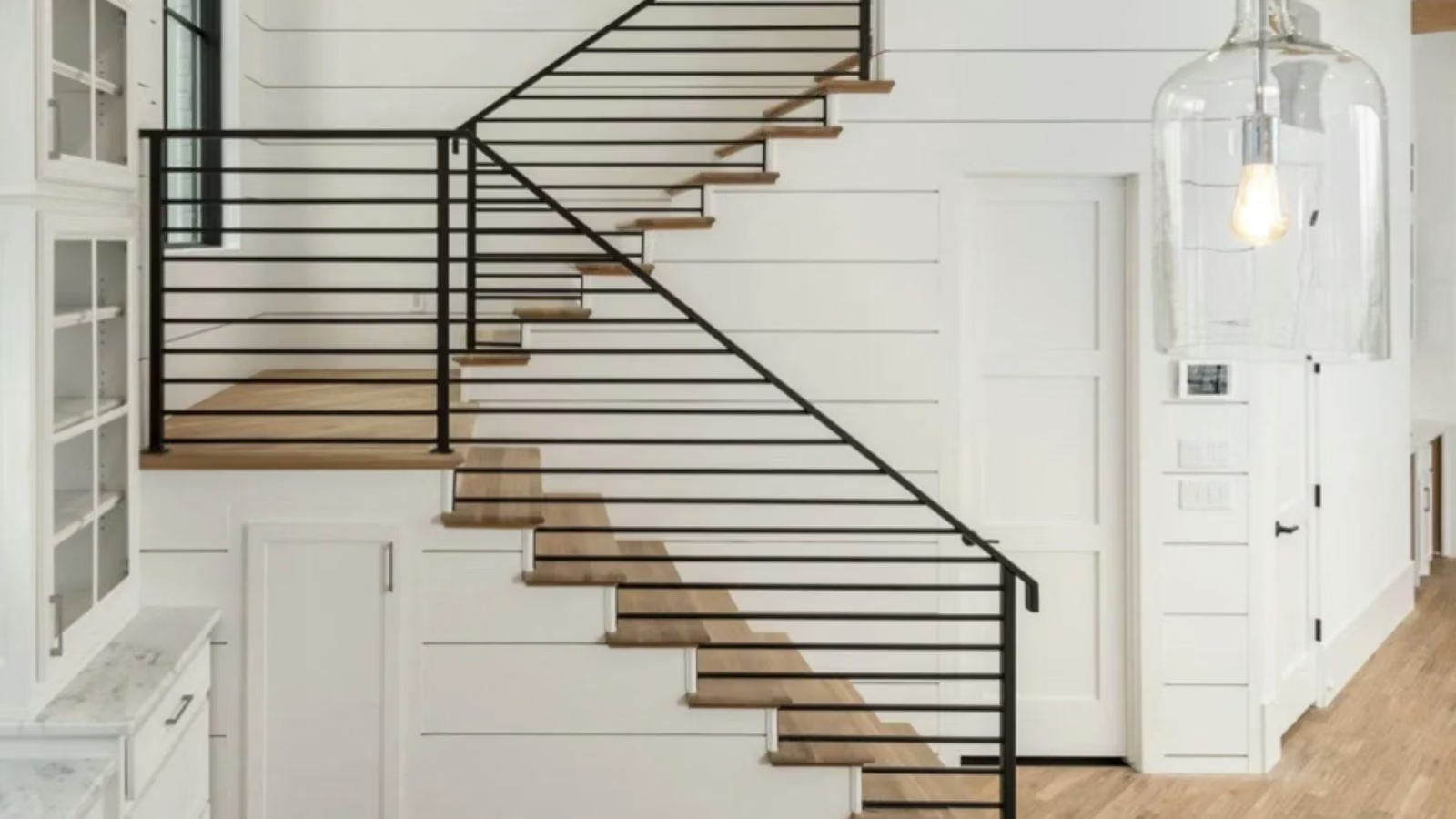
Get Your Exact Price
Free in-home estimate. Veteran-owned. Serving all of Dallas–Fort Worth.
Frequently Asked Questions
How much does a new staircase cost in 2026?+
A new custom staircase typically runs $8,000–$35,000+; floating stairs $15,000–$60,000+; spiral $5,000–$20,000.
What's the labor vs materials split?+
Roughly half-and-half on most custom stairs, though engineered floating stairs carry more labor and structural cost.
Why is a floating staircase more expensive?+
It requires structural engineering and concealed steel support, which adds material and labor.
Can I get a staircase for under $10,000?+
Often yes — a spiral staircase or a remodel of an existing stair can land under $10,000 depending on scope.
How do I get an exact price?+
Book a free in-home design consultation and we'll provide a written estimate.
Ready for an Exact Price?
Free in-home estimate. Veteran-owned. Serving all of Dallas–Fort Worth.